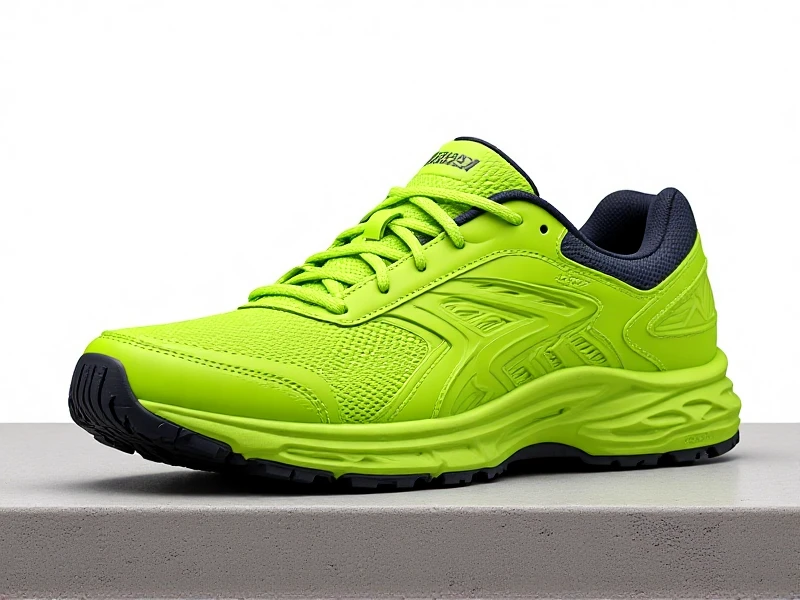
The Ultimate Guide to Choosing Your Perfect Running Shoes
Your running journey starts from the ground up, and the foundation of every great run is a pair of well-fitting, supportive running shoes. Whether you're training for your first 5K, hitting the trails, or clocking serious marathon miles, wearing the right footwear isn't just about comfort – it's crucial for performance and injury prevention. With countless options on the market, finding the best running shoes for your needs can feel overwhelming. This guide breaks down the key considerations.
First, understand your foot type and gait. Do you have high arches, flat feet, or neutral arches? Do you overpronate (foot rolls inward excessively), underpronate (foot rolls outward), or have a neutral stride? Many specialty running stores offer gait analysis – highly recommended for new runners or those experiencing discomfort. This analysis helps pinpoint the ideal level of support and stability you require. Stability running shoes are designed for overpronators, while neutral running shoes cater to neutral strides and underpronators. Maximalist shoes offer plush cushioning, while minimalist shoes provide a ground-feel experience.
Next, consider where you'll primarily run. Road running shoes are engineered for pavement and tracks, featuring cushioning to absorb impact and durable outsoles. Trail running shoes prioritize traction, rock protection, and stability on uneven terrain with aggressive lug patterns. Hybrid options exist for those who mix surfaces.
Cushioning level is a personal preference impacting both comfort and feel. From responsive, firmer midsoles found in performance running shoes aimed at speed, to soft, highly cushioned options popular for long distances and recovery runs, the spectrum is broad. Try different levels to see what feels best under your foot strike.
Fit is paramount! Always try shoes on later in the day when feet are naturally slightly swollen. Wear the socks you typically run in. Ensure about a thumbnail's width of space between your longest toe and the end of the shoe. Your heel should be securely held without slipping, and the midfoot should feel comfortably snug without pinching. Walk and, if possible, jog around the store. Don't be swayed by brands alone; focus on how they feel on your feet.
Finally, remember that running shoes have a lifespan. Most experts recommend replacing them every 300-500 miles (480-800 km), as the midsole cushioning breaks down over time, increasing injury risk regardless of how the upper looks.
Investing time in finding your perfect pair of running shoes is an investment in your running enjoyment, performance, and longevity. Your feet (and your knees!) will thank you for miles to come. Lace up and hit the road with confidence! How has finding the right running shoe impacted your runs? Share your experiences below!