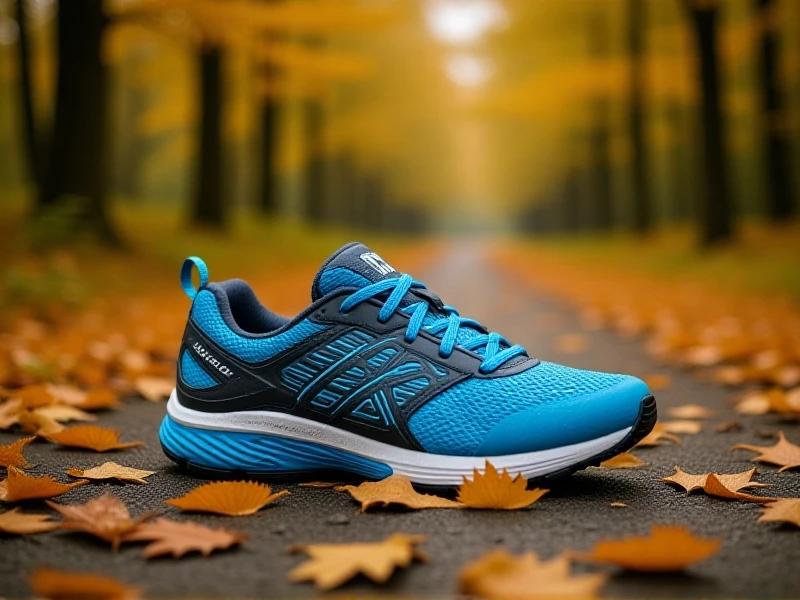
The Evolution of Sports Shoes: Unleashing Peak Performance
Sports shoes aren't just footwear; they’re the critical interface between your body and the ground, demanding perfect synergy of comfort, support, and technology. Whether you’re a sprinter exploding from the blocks, a marathoner conquering distances, or a weekend warrior hitting the trails, the right sports shoes are essential to your success and injury prevention.
Today's athletic footwear market offers unparalleled diversity. Running shoes dominate, with distinct variations tailored to gait type (neutral, stability, motion control), terrain (road, trail), and purpose (marathon racing, daily training). The cushioning systems – from air-filled pods to sophisticated gels and responsive foams – continuously evolve to offer optimal shock absorption and energy return. Training shoes provide versatility and lateral stability, crucial for gym activities and high-intensity workouts. Basketball shoes deliver ankle support and impact resistance for explosive jumps and hard cuts. Walking shoes prioritize comfort and cushioning for extended periods on pavement. And hiking shoes bridge rugged terrain with grip and durability.
Innovative technology defines modern sports footwear. Brands relentlessly research lightweight, breathable materials like engineered mesh for upper ventilation and moisture management. Advanced sole compounds enhance traction and durability across diverse surfaces. Sophisticated midsole technology focuses on cushioning responsiveness – think Nike Air units, Adidas Boost, Saucony PWRRUN, or ASICS Gel. Midsole drop (difference between heel and forefoot height) influences running mechanics significantly. 3D printing is increasingly prevalent, enabling unprecedented levels of customization and fit. These innovations translate directly to enhanced athletic performance and comfort.
Choosing the perfect pair is paramount. Consider your primary activity: different sports shoes excel for different endeavors. Foot mechanics are crucial – understanding your arch type (flat, neutral, high) and gait helps prevent injuries. Professional gait analysis from running stores is invaluable. Factor in the terrain you’ll traverse most often and ensure an accurate fit: allow a thumb’s width between your longest toe and the shoe’s end. Never compromise comfort for aesthetics! Replace shoes regularly (usually every 300-500 miles for runners or when cushioning noticeably degrades).
The world of sports shoes is dynamic, blending biomechanical science with cutting-edge materials. By understanding your specific needs and the technologies available, you unlock footwear designed not just to protect your feet, but to amplify your athletic potential. Invest wisely – your best performance starts from the ground up. What technology enhances your stride the most?