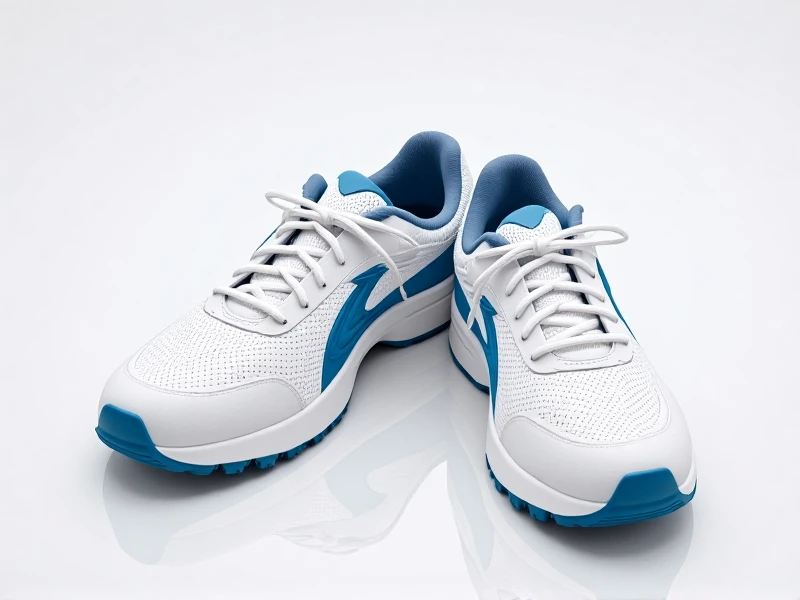
Unlock Your Potential: Choosing the Right Sports Shoes for Peak Performance
Finding the perfect pair of sports shoes isn't just about style; it's foundational to your performance, comfort, and injury prevention. Whether you're hitting the track, dominating the court, or just incorporating fitness into your routine, the right athletic footwear makes all the difference.
Why Your Sports Shoes Matter:
Running, jumping, pivoting – every movement transfers force through your feet. Sports shoes are engineered with specific activities in mind:
- Running Shoes: Prioritize shock absorption with advanced cushioning (like foam or gel) to handle repetitive impact. Designs vary for road running versus trail running terrain.
- Basketball & Court Shoes: Focus on ankle support, lateral stability, and responsive soles for quick cuts, jumps, and sudden stops.
- Cross-Training Shoes: Offer versatility, balancing cushioning, support, and flexibility for varied gym activities like lifting, agility drills, and HIIT.
- Walking/Hiking Shoes: Emphasize comfort, durability, and underfoot protection (rock plates) for extended periods and varied surfaces.
Key Features to Consider:
- Activity Fit: ☆ This is non-negotiable. Don't use running shoes for tennis – the lack of side support risks injury. Match your shoe type to your primary sport.
- Cushioning: Crucial for absorbing impact. Amount varies – marathon runners often need max cushioning, while weightlifters prefer minimal cushion for stability.
- Support & Stability: Prevents overpronation (inward rolling) or supination (outward rolling). Stability shoes have firmer medial posts; motion control offers maximum support for severe overpronation. Neutral shoes suit efficient gaits.
- Fit & Feel: ✓ Always try shoes on in the afternoon (feet swell). Ensure a thumb's width (.3-.5 inches) of space beyond your longest toe. Heel should be snug, not slipping. Walk and jog in-store if possible.
- Breathability: Mesh uppers keep feet cool and dry, preventing blisters during intense workouts. Look for well-ventilated designs.
- Traction: The outsole pattern and rubber compound are vital for grip, especially on wet surfaces, courts, or trails. Look for durable rubber appropriate for your surfaces.
Beyond Performance: Durability & Style
Quality sports shoes are an investment. Look for durable materials in high-wear areas like the toe box and outsole. While performance is king, the vast range of styles, colors, and brands ensures you can find running shoes, basketball shoes, or training shoes that look great too.
The Takeaway:
Don't underestimate the power of the right sport-specific footwear. Ignoring fit or wearing the wrong shoe type hinders performance and significantly increases injury risk. Replace your sports shoes every 300-500 miles (running) or when you notice significant wear on the midsole or tread, typically every 6-12 months for regular users.
Invest time in finding your perfect fit. Visit a specialty store, explain your activities, and seek expert fitting advice. Stepping into the right sports shoes unlocks greater comfort, enhanced performance, and lets you train with confidence. Make your next step towards reaching your athletic goals!