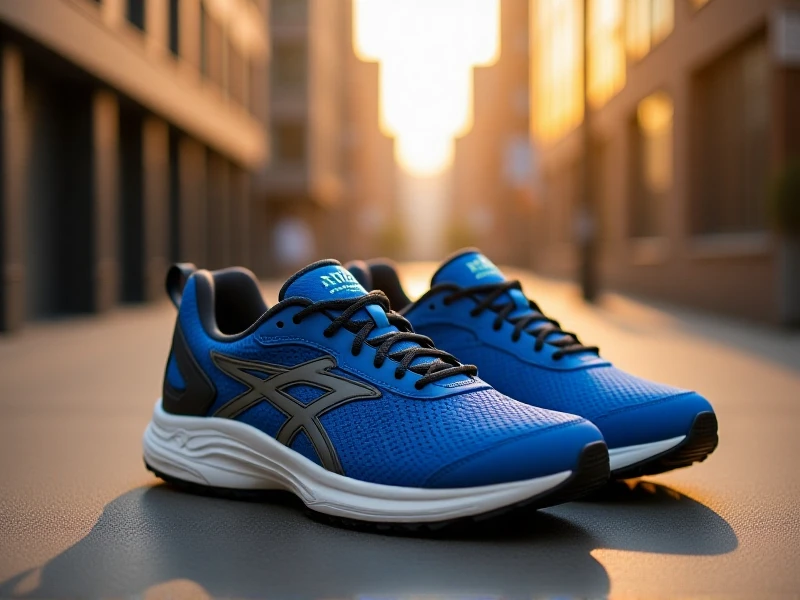
The Ultimate Guide to Choosing the Perfect Running Shoes
Running shoes aren't just gear—they're your essential partners for hitting the pavement or trail safely and comfortably. Whether you're a seasoned marathoner or a casual jogger, the right pair can boost performance, prevent injuries, and make every run feel effortless. This guide dives deep into the world of running shoes, helping you navigate options to find your ideal fit.
First off, why do running shoes matter so much? Unlike everyday footwear, running shoes are engineered with specific technologies to absorb impact and support your stride. Each step sends force through your joints, and a proper pair minimizes stress, reducing risks like shin splints or knee pain. Experts often compare it to building a solid foundation: start with shoes that match your gait and terrain, and you'll see faster times and fewer aches. Look for models that offer cushioning, stability, and breathability—these are the pillars of a great running shoe experience.
Now, let's explore the types of running shoes available. The main categories include stability, cushioning, minimalist, and trail shoes. Stability running shoes are perfect for overpronators who need extra arch support to keep feet aligned during runs. These often feature firm midsoles and guide rails to control motion—think of brands like Brooks Ghost or Asics Gel-Kayano. Cushioning running shoes, on the other hand, prioritize soft landings for neutral runners seeking comfort on hard surfaces. Innovations like Nike React or Adidas Boost foam provide responsive bounce without bulk. Minimalist running shoes appeal to barefoot enthusiasts, promoting a natural stride with thin soles and flexibility. For off-road adventures, trail running shoes add rugged outsoles and waterproofing for grip on uneven paths. Choosing the right type depends on your running style: analyze your gait during a treadmill test at a local store to pinpoint what suits you.
Picking the perfect running shoes involves considering key factors. Start with fit—feet swell during runs, so shop later in the day when they're larger and ensure a thumb's width of space in the toe box. Next, factor in your body weight: heavier runners might need extra cushioning and durability, while lighter ones can opt for lightweight designs for speed. Your running surface matters too; road runners favor cushioned shoes, while trail variants demand aggressive tread. Finally, think about pronation. Neutral arches thrive in flexible shoes, while high arches or flat feet benefit from added support. Replace your running shoes every 300-500 miles, as worn-out midsoles lose shock absorption. Brands like New Balance and Hoka One One offer models that ace these checks without breaking the bank—always try them on and test-run to feel the difference.
In short, invest time in researching running shoes to enhance every run and avoid discomfort. Your feet will thank you with smoother strides and better results. Explore reviews and get professionally fitted to kickstart your journey to peak performance today!