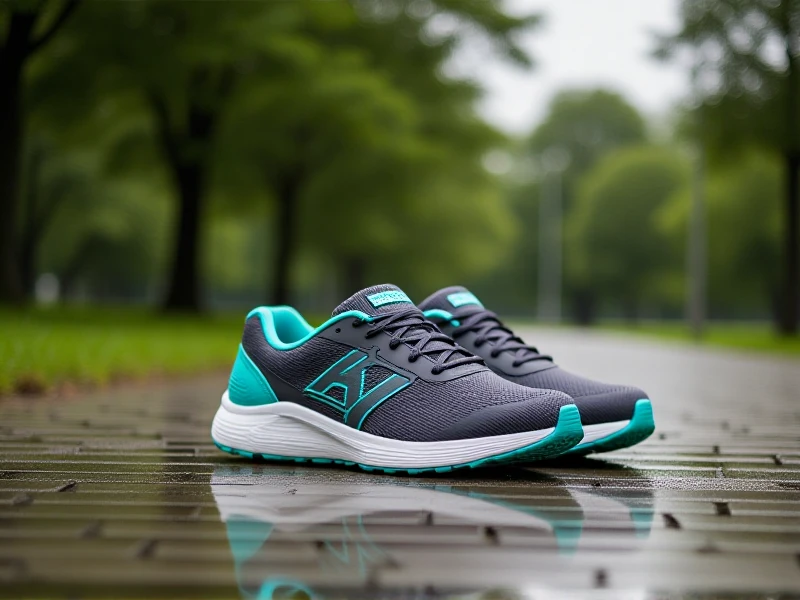
Your Guide to Choosing the Ideal Running Shoes
Are you passionate about running or just getting started? Picking the right running shoes can transform your experience, boosting comfort and performance while minimizing injury risks. Running shoes are engineered to cushion your feet, support arches, and absorb impact—essential for everything from casual jogs to marathon training. With so many options available, it's easy to feel overwhelmed. But don't worry! In this article, we'll break down key tips to help you find the perfect pair.
First, understand the benefits of high-quality running shoes. They reduce strain on joints by providing shock absorption with materials like memory foam or gel. For road runners, models with lightweight construction offer flexibility and durability, ideal for hitting the pavement. Trail enthusiasts often prefer shoes with aggressive treads and weather-resistant uppers to handle muddy paths. Always consider fit: a thumb's width between your big toe and the shoe tip ensures comfort during longer runs. Testing for stability is crucial too; pronation patterns vary, so brands offer neutral or stability options based on your gait.
When shopping, factor in your running style and mileage. If you're logging high miles weekly, prioritize cushioning and longevity—tech like responsive midsoles keeps springs in your step for 500 miles or more. Beginners might focus on affordable entry-level pairs with decent support. Visiting a specialty running store for a gait analysis helps pinpoint the best choice; experts can measure your feet under pressure, recommending styles that combat issues like shin splints. Popular brands include Nike Pegasus for versatility, ASICS Gel-Kayano for overpronation, or Brooks Ghost for balanced cushioning—they suit all budgets without skimping on tech.
Maintenance extends shoe life too. Clean them weekly with a soft brush and mild soap, avoiding machine washing which damages materials. Keep them in a cool, dry place to prevent odor and degradation. Replace running shoes every 300–500 miles; worn midsoles lose effectiveness, increasing injury risks. Also, rotate pairs if you run daily to spread out wear. By investing in proper running shoes and care, you'll enjoy smoother strides and faster recovery.
In short, the right running shoes are game-changers. Test options by jogging on a store treadmill or at home, and trust your instincts. Ready to upgrade? Share your running goals in the comments for personalized tips—we love hearing success stories!