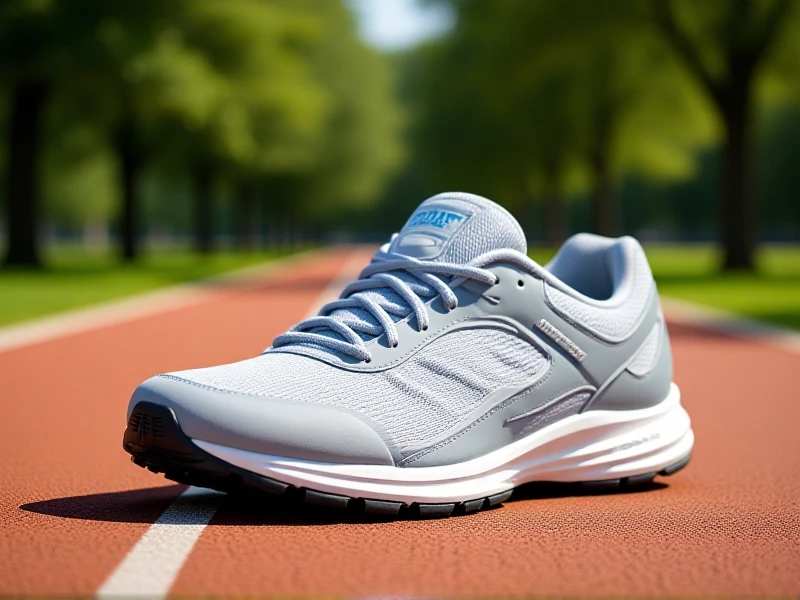
Your Perfect Pair: Finding the Ideal Sports Shoes
Feeling that slight ache during your run or noticing your feet slipping during a lateral cut? It might be time to reassess your Sports Shoes. These aren't just fashion items; they're crucial tools for performance, injury prevention, and overall comfort during physical activity. Whether you're pounding the pavement, dominating the hardwood, or pushing weights in the gym, the right pair makes all the difference.
Why Specificity Matters:
- Targeted Support: Running Sports Shoes prioritize forward motion with cushioning focused on heel-to-toe transitions. Basketball shoes offer exceptional ankle support and sole patterns designed for quick pivots on smooth courts. Cross-trainers provide a versatile base suitable for multidirectional movements common in gym classes. Wearing the wrong type compromises support and increases injury risk.
- Optimal Cushioning & Responsiveness: Impact forces vary drastically. Marathon runners need maximum shock absorption over long distances. Volleyball players need responsive cushioning for explosive jumps. The cushioning technologies (air, gel, foam compounds) in specific Sports Shoes are engineered to handle these unique demands, keeping you comfortable and energetic.
- Enhanced Traction and Stability: The outsole pattern (lugs, herringbone, etc.) is meticulously designed for specific surfaces. Trail runners have aggressive lugs for muddy terrain, while tennis shoes offer flat, grippy patterns for hard courts. Proper traction prevents slips and falls, providing stable confidence during every move.
Key Features to Consider:
- Fit is Paramount: Your ideal Sports Shoes should feel snug but not tight, with ample room (about a thumbnail's width) in front of your longest toe. Always try on shoes later in the day when feet are slightly swollen and wear the socks you typically exercise in. Don't assume your street shoe size is perfect for sports.
- Arch Support & Foot Type: Know your foot type (neutral, low arch/flat, high arch) and consider any unique needs like overpronation (foot rolling inward). Many Sports Shoes offer models specifically designed with varying support levels to align your foot correctly.
- Breathability: Athletic endeavours make feet sweat. Look for Sports Shoes constructed with breathable mesh uppers that allow air circulation, keeping feet cooler and drier, reducing blisters and discomfort.
Taking Care of Your Investment:
Extend the life of your Sports Shoes:
- Avoid Daily Wear: Rotate between pairs and reserve them for the intended activity only.
- Untie to Put On/Take Off: Don't crush the heel counter.
- Clean Gently: Use a soft brush, mild soap, and water. Air dry naturally – avoid heaters or dryers which degrade materials.
- Know Their Expiry: Shock-absorbing midsoles break down over time, regardless of visible wear. Replace running Sports Shoes every 300-500 miles and others when cushioning feels flat or support is compromised.
Finding the perfect Sports Shoes is the foundation of a comfortable, effective, and injury-free fitness journey. Invest time in understanding the footwear requirements of your chosen activity. Trying shoes on, focusing on fit and feel specific to your sport and foot mechanics, is the most important step to unlock your best performance. Get geared up with the right foundation!