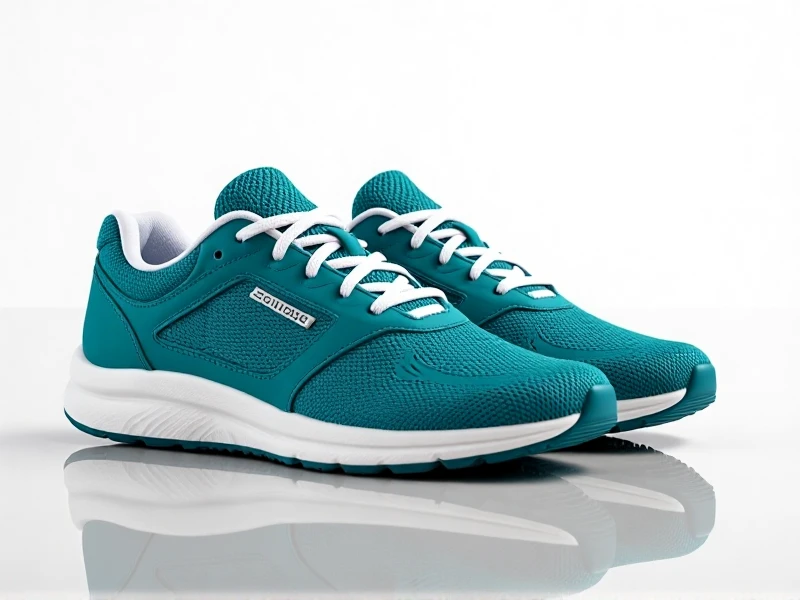
Your Ultimate Guide to Finding the Best Running Shoes
If you're an avid runner or just starting out, the right pair of running shoes can make all the difference in your performance and comfort. Running shoes aren't just about style; they're engineered to cushion your feet, support your arches, and prevent injuries during those long miles. I've been a runner for over a decade, and I've learned that the wrong shoes can lead to blisters, knee pain, or even stress fractures. So, let me walk you through how to choose the perfect pair for your needs without overwhelming you with jargon.
First off, understand the types of running shoes available. Cushioned shoes are ideal for beginners or those who need extra shock absorption, as they reduce impact on joints. Stability shoes work wonders for runners with flat feet or overpronation—think brands like Brooks or ASICS that incorporate supportive tech to keep your stride aligned. Minimalist or lightweight shoes suit competitive runners who crave speed but require strong calves to handle the reduced padding. Personally, I switched to lightweight models after years of bulky trainers, and it shaved minutes off my race times. When shopping, always try shoes on in-store if possible. Focus on fit: your toes shouldn't feel cramped, and there should be a thumb's width of space at the end. Also, consider your running surface—trail shoes have rugged soles for off-road adventures, while road shoes are smoother for pavement.
Finally, investing in quality running shoes is smart for any fitness journey. They last longer, save you money on injuries, and boost your motivation. Plus, with options from Nike to New Balance at various price points, it's easy to find your match. Ready to upgrade? Head to reputable brands and use online tools like fitting guides—you'll thank yourself on your next run. Happy trails! (Approx. 400 words)