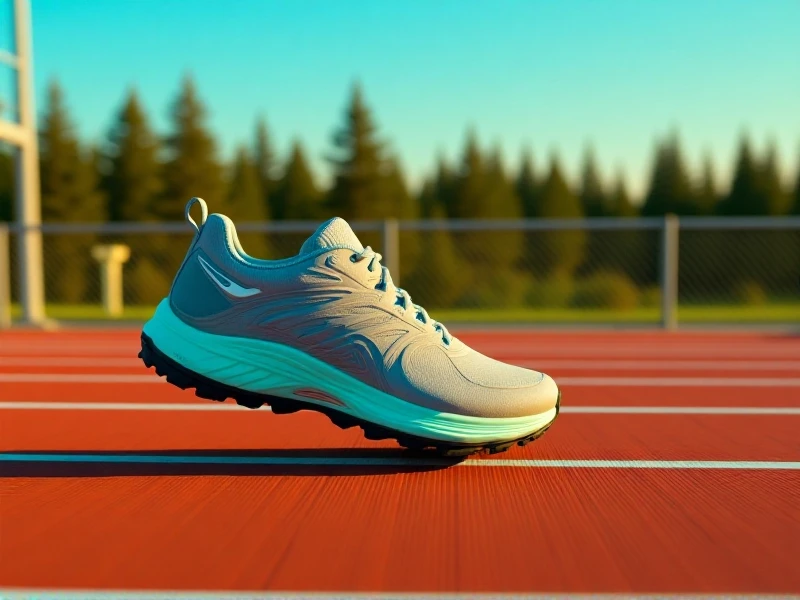
Finding Your Perfect Pair: The Ultimate Guide to Running Shoes
Okay, here is the SEO article focusing on "Running Shoes", written naturally and adhering to your requirements:
Hitting the pavement, exploring trails, or logging miles on the track requires more than just motivation; it demands the right foundation underfoot. Your running shoes are arguably the most critical piece of gear in your athletic arsenal. The wrong pair can lead to discomfort, inefficiency, and even injury, while the perfect fit can unlock smoother strides and a greater love for the run.
So, how do you navigate the overwhelming world of running shoes? It boils down to understanding your unique needs:
- Know Your Foot & Gait: Are you an overpronator, underpronator (supinator), or have a neutral gait? Brands like Asics, Brooks, Saucony, and Mizuno offer specialized models like stability shoes (e.g., Brooks Adrenaline GTS, ASICS GT-2000) or motion control options for overpronation, neutral cushioning models (e.g., Nike Pegasus, Saucony Ride) for efficient support, and flexible options for supinators. Analyzing your stride (often done free in specialized running stores) is invaluable. Your arch type matters too.
- Consider Your Running Surface: Road running shoes prioritize responsive cushioning (often using foams like Nike React, adidas Boost, or PUMA's Nitro) and durability for pavement. Trail running shoes, like Salomon Speedcross or Hoka Speedgoat, feature aggressive lugs for grip, rock plates for protection, and enhanced stability on uneven terrain. Some prefer minimalist options for a natural feel. Choose the right tool for your terrain.
- Match Your Run Type & Distance: Long-distance runners often seek maximum cushioning and comfort (e.g., Hoka Clifton or Bondi, ASICS Nimbus/Kayano). Speedwork or racing shoes prioritize lighter weight and responsiveness with firmer fooms or plates (e.g., Nike Vaporfly, Saucony Endorphin Speed). Daily trainers balance cushioning, support, and durability for your regular mileage.
Popular Categories:
- Cushioned/Neutral: Ideal for neutral runners seeking plush comfort and shock absorption. (Think Nike Invincible, Brooks Ghost).
- Stability: Offer moderate support for overpronation without being too rigid. Great for many runners needing guided motion. (Think ASICS Kayano, Saucony Guide).
- Motion Control: For severe overpronation, providing maximum support and structure.
- Lightweight/Race: Prioritize speed over long-distance durability. Often feature minimalist designs or advanced plate technology.
Finding Your Fit:
- Get Professionally Fitted: Visiting a specialty running store is highly recommended. Their experts can analyze your gait and recommend suitable options.
- Fit is King: Comfort is paramount. There should be about a thumbnail's width of space between your longest toe and the shoe's end. Heel should be snug but not tight. Width matters too.
- Replace Regularly: Don't push running shoes beyond their limits. Most last 300-500 miles. Worn-out cushioning drastically reduces protection and performance.
Investing time in finding the right running shoes maximizes comfort, minimizes injury risk, and enhances your overall running experience. Your feet will thank you, mile after mile. Take the step towards peak performance – start with your perfect pair. Happy running!